What It’s Like To Live In Boston’s Back Bay
March 12, 2026
March 12, 2026
If you picture stately brownstones, tree-lined avenues, and the Charles River just a block or two away, you’re already close to the feel of Back Bay. It’s beautiful and central, but what really shapes daily life here is how easy it is to get around, meet up, and enjoy the city without much planning. In this guide, you’ll see what a typical week looks like, what it costs to live here, and how to navigate transit, parks, and errands. Let’s dive in.
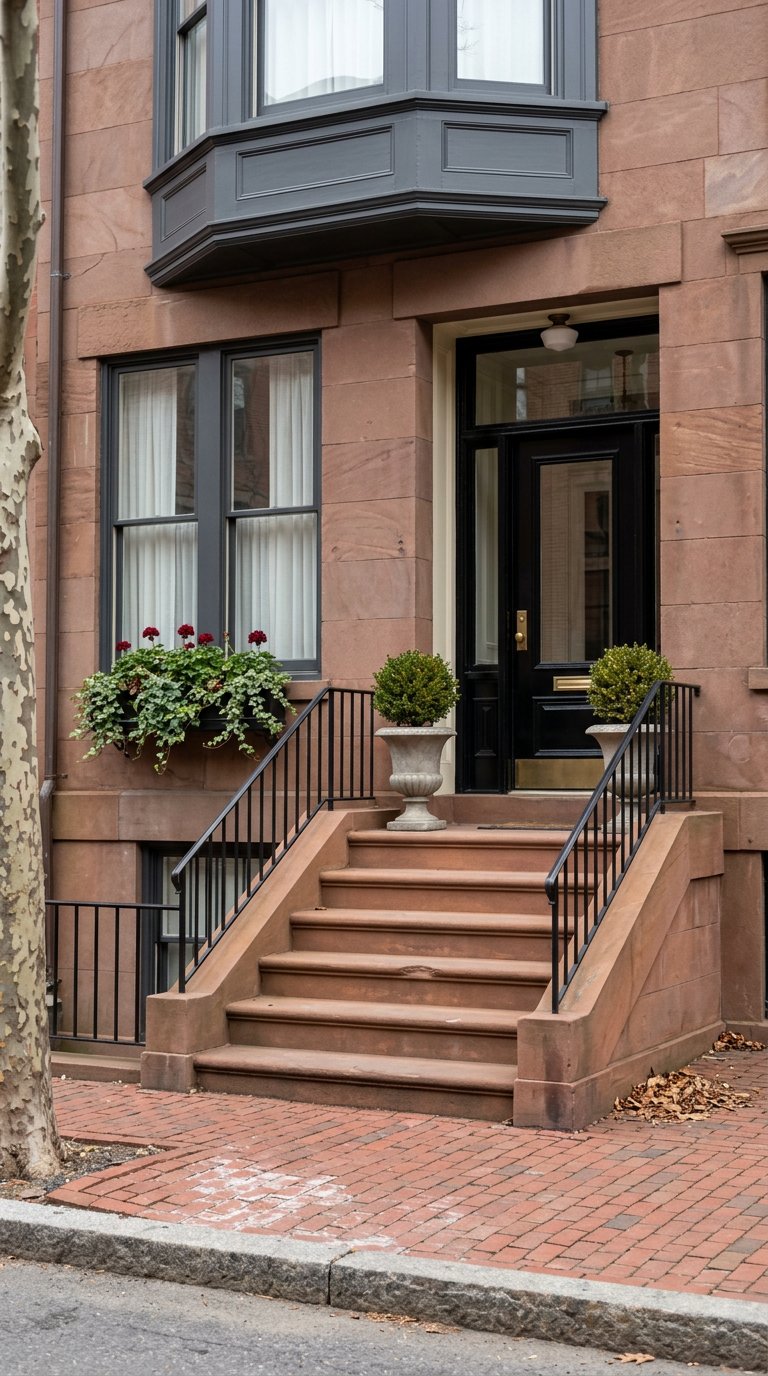
Back Bay is a historic, centrally located Boston neighborhood planned in the 19th century and built on reclaimed land along the Charles River. You’ll find quiet residential blocks of Victorian rowhouses just steps from active retail corridors like Newbury and Boylston. According to the ACS profile for 02116, household sizes trend small and educational attainment is high, which helps explain the large share of singles and couples you see on these blocks. The city’s planning office also notes Back Bay’s mixed residential and commercial character, preserved streetscapes, and cultural landmarks that anchor the area’s identity (Back Bay overview).
Weekdays start with commuters heading to nearby job centers and students crossing the avenues for the Green Line. Lunch crowds cluster around Boylston, Newbury, and the Prudential/Copley complex, where quick spots and sit-down dining are both easy finds. Evenings are split between calm side streets and lively hotel lobbies and restaurants; you can keep it low-key or make it a night out. On weekends, Newbury Street pulls shoppers and brunch-goers, Copley Square hosts seasonal events, and the neighborhood becomes a focal point for Boston Marathon week.
Dining spans neighborhood cafés and bakeries to special-occasion rooms. If you like to explore, you’ll see Back Bay spots featured in local dining coverage, which gives a good pulse on what’s new. Shopping runs from brownstone boutiques on Newbury to enclosed malls at Copley Place and Prudential, though store lineups change over time. Plan to verify hours and tenants as you plan your routine.
Back Bay’s cohesion is not an accident. The neighborhood’s planned grid and the Back Bay Architectural District keep façades and overall character intact, which is why the brownstone rows and civic buildings feel so consistent across blocks (neighborhood history). Along Copley Square, Trinity Church and the Boston Public Library’s McKim Building offer classic meeting points and cultural anchors. You’ll feel a clear contrast between the leafy, residential avenues like Commonwealth and the busier retail frontages on Newbury and Boylston. Near Prudential and Back Bay Station, modern high-rises join the mix with amenity-driven living.
Back Bay is a major transit node. Back Bay Station connects you to the Orange Line, several commuter-rail lines, and Amtrak. Green Line stops at Copley, Prudential, and Hynes give quick access within and beyond the neighborhood. For air travel, the Logan Express Back Bay route offers a direct, low-cost shuttle to Logan, and rideshare or taxi fills the door-to-door gap.
Walkability and bike options are strengths here. Walk Score and Transit Score consistently place Back Bay among Boston’s most convenient neighborhoods for car-free living. Many residents choose not to own a car and rely on the T, commuter rail, rideshare, and bikes for daily needs. If you do drive, expect metered street parking and consider a monthly garage plan near your building.
If you like to run, walk, or bike, the Charles River Esplanade is your go-to waterfront path. The Commonwealth Avenue Mall offers a shaded promenade through the brownstone district, perfect for dog walks and quiet evening strolls. Copley Square functions as both a neighborhood park and an event space, while the Back Bay Fens links you to Olmsted’s Emerald Necklace network of green spaces (parks and history). Having this many public spaces nearby makes it easy to build fresh air into your day.
Buying in Back Bay is a premium choice. The ACS 5-year estimate for 02116 places median owner-occupied values in the mid seven figures, a clear signal that purchase prices run high in this market (ACS profile). For current context, market trackers showed a median sale price around 1.2 million dollars in January 2026, with month-to-month and building-by-building variation. If you plan to rent, RentCafe’s Back Bay market page shows average rents in the high thousands as of 2025–2026, and indicates that more than 70 percent of households are renter-occupied.
Here’s how the tiers generally break down:
Supply is tight, and quality varies by building. If you are zeroing in on specific blocks or amenities, plan for careful comp analysis and floor plan reviews. Budget for HOA/condo fees, potential garage parking, and any assessment risks in older properties or amenity towers.
Start with coffee on Newbury before a short walk or T ride to the office. Midday, grab lunch near Copley or Prudential and take a quick loop through the mall or along the Commonwealth Avenue Mall. After work, meet friends at an easy neighborhood spot or book a special dinner featured in local dining coverage. On the weekend, run the Esplanade in the morning, browse boutiques by afternoon, and check the seasonal market at Copley Square.
If you want walkability, classic architecture, and easy transit to downtown, Cambridge, Longwood, and the airport, Back Bay delivers. The small average household size and strong renter share mean you’ll see many professionals and rightsizing households choosing convenience over private yard space. If that balance fits your goals, the neighborhood’s daily ease and cultural touchpoints are hard to beat.
When you’re ready to explore buildings, stacks, and off-market options with a strategic plan, connect with Easter Entwistle Advisors to map your search and timing. Schedule a consultation.
We don't just close deals; we build portfolios and long-term wealth. Whether you are an international buyer or a local seller, we provide a concierge experience that manages every detail. Reach out to us to experience the power of having a dedicated advisory team in your corner.
EASTER ENTWISTLE ADVISORS | CORCORAN PROPERTY ADVISORS
14 NEWBURY ST BOSTON, MA 02116