The Permit Clock Hiding Inside Somerville's "Conversion in Progress" Condo Listings
September 24, 2026
September 24, 2026
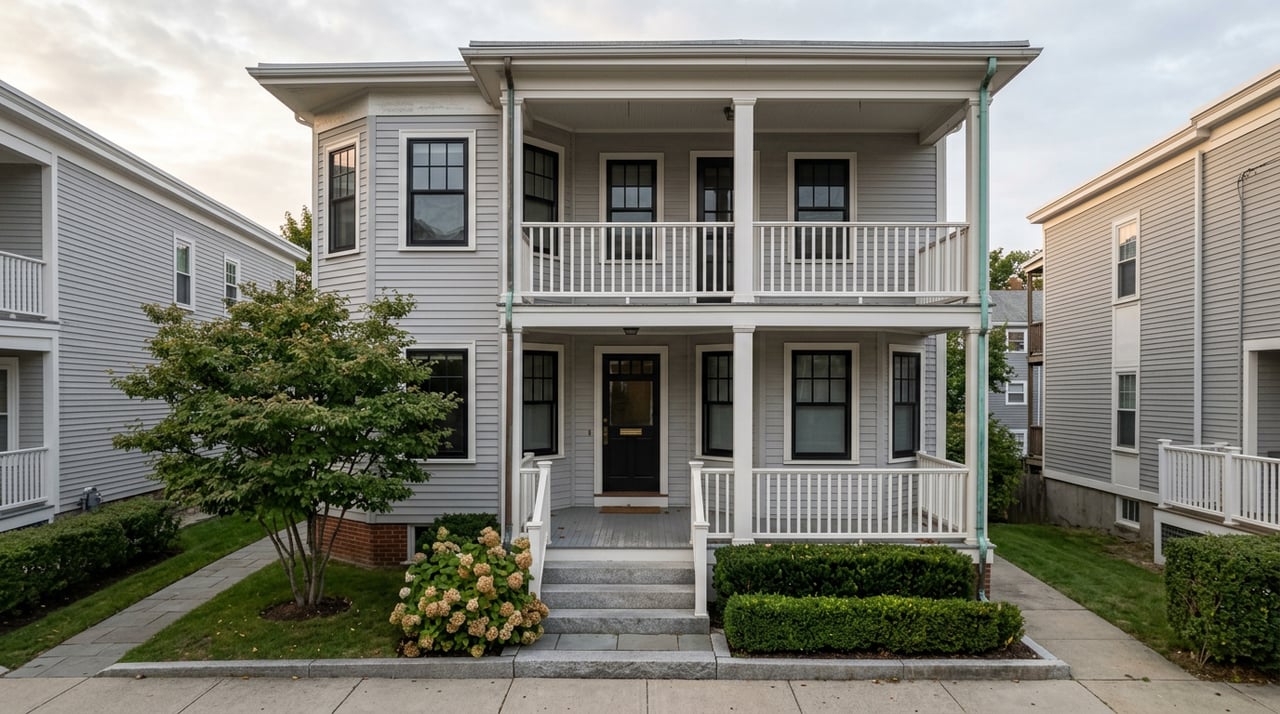
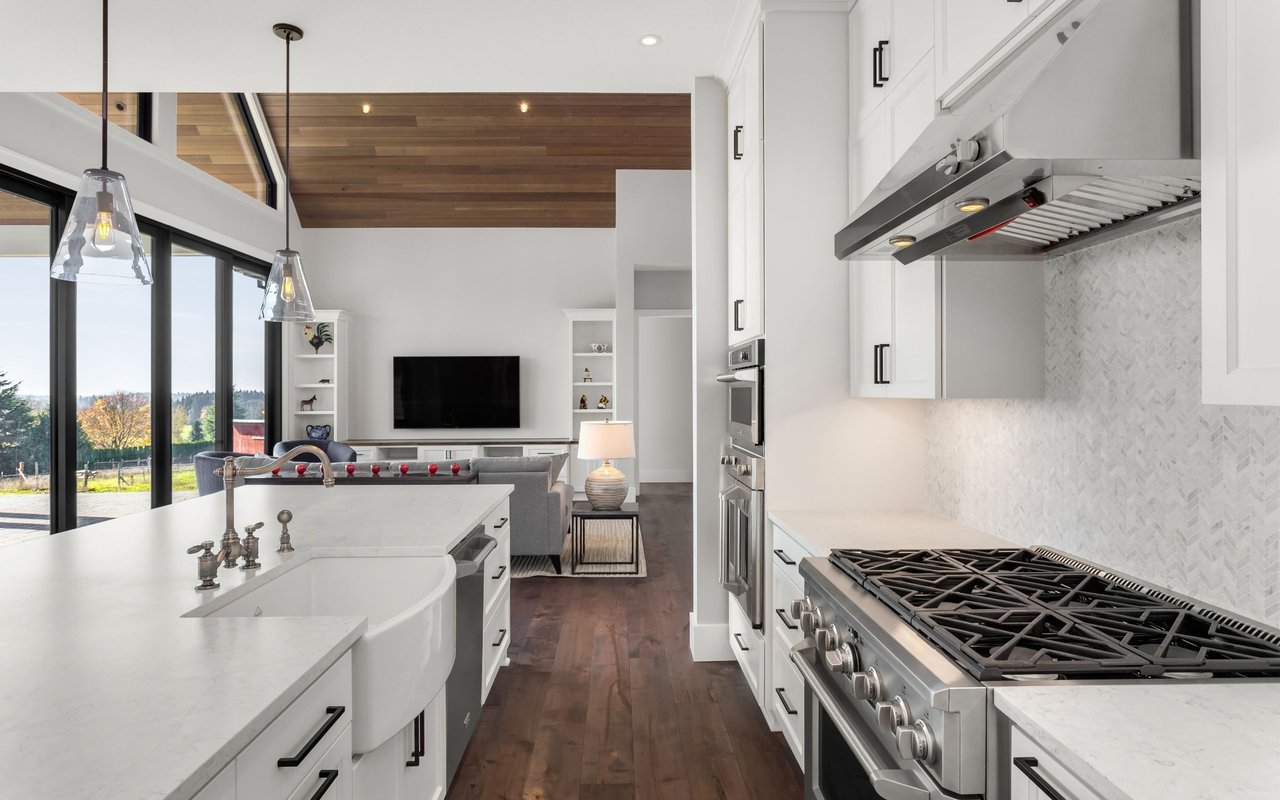
Scroll Somerville listings long enough and you will hit the phrase. "Condo conversion in progress." It sits under a two-bedroom unit in a converted triple-decker, priced a little below what a finished condo two blocks over closed for last month. The photos show refinished floors and a subway-tile backsplash. What the listing does not show is the calendar sitting behind that price, one set by a five-member city board that meets once a month.
That board is Somerville's Condominium Review Board, and the phrase is not marketing copy. It is often the exact disclosure the city requires. Somerville's condo conversion rules state that an owner cannot market a unit as a condominium on the MLS until they have had an initial hearing and received a Conditional Permit from the Board, unless the listing itself says the permit has not yet been obtained. "Conversion in progress" is frequently that legally required flag, and what it means for your closing date depends entirely on what happened inside that unit over the past year or two.
Any property owner who intends to remove a rental unit from Somerville's housing market and sell it as an individual condominium has to go through the Condominium Review Board first. The Board meets monthly, on the last or second-to-last Monday, and verifies that tenant protections were followed before it will issue a permit. Filing an application does not put you on the fast track either. There is a $800 per-unit filing fee for a preliminary rental permit, applications have to go in within 30 days of notifying tenants, and paperwork needs to land at least three weeks before a hearing so the Board has time to give tenants their required two weeks' notice. Miss that window and you are not waiting a few extra days. You are waiting for next month's meeting.
Once a preliminary permit is granted, the real clock starts, and it is not the same for every unit.
| Permit Type | Applies To | Waiting Period | What It Means for a Buyer |
|---|---|---|---|
| Owner-occupancy carve-out | Owner has lived in the unit 12+ months, or buyer purchases a unit that was fully owner-occupied for 12+ months before going vacant | None | Cleanest, fastest path to a legal condo closing |
| Courtesy Permit | Brand-new construction, never rented | Minimal | Moves through the process quickly |
| Preliminary Rental Permit, currently tenanted | Unit occupied by a tenant when conversion begins | One year from preliminary permit | Closing cannot legally happen until the year runs |
| Preliminary Rental Permit, vacant and formerly tenanted | Tenant has moved out, unit is later marketed as a condo | Two years from preliminary permit as of October 1, 2025, up from one year | Two-year wait for vacant, formerly tenanted units |
| Final Permit | Issued once notice, relocation payments, and waiting periods are all satisfied | N/A | This is what makes the unit legally sellable as a condo |
That change is part of a broader set of ordinance updates that also affect relocation payments.
Mayor Katjana Ballantyne's office announced two changes to the Condominium Conversion Ordinance that took effect October 1, 2025. The notice period a property owner must give the Board before receiving a final permit on a vacant, formerly tenanted unit doubled, from one year to two. Relocation payments rose as well, from $7,546 to $14,000 for most tenants, and from $12,577 to $18,000 for tenants entitled to enhanced protections, meaning seniors, people with disabilities, and low- or moderate-income households. As the mayor put it at the time, "we must act to protect our residents."
Run the math forward from today. The ordinance has now been law for roughly a year. Any unit whose last tenant moved out before October 1, 2025 may already be clear of the old one-year clock. But any unit that went vacant on or after that date is riding the new two-year clock, which means the earliest realistic Final Permit for a unit that emptied out right when the rule changed lands around fall 2027. If a listing agent tells you the tenant left this past spring, you are likely looking at a legally marketable condo closing sometime in 2028, rather than a matter of just a few months.
Here is the thesis worth sitting with before you write anything. The discount on an unconverted Somerville triple-decker unit is not really compensation for unfinished work. It is compensation for legal uncertainty that the seller does not fully control, and after October 2025, that uncertainty got more expensive to resolve. A seller who priced a conversion project before the ordinance changed may not have rebuilt their relocation math into the ask. A seller who priced after the change knows the number went up, but the Board's monthly calendar still governs the pace, not the seller's motivation to close.
Your attorney can confirm CRB permit status directly with Board staff, and you can address that status in the purchase and sale negotiation before waiving a contingency.
Clearing the CRB timeline gets you to ownership, not necessarily to a well-run building. Many Somerville triple-decker conversions become small associations of two to six units, frequently self-managed, often without a formal reserve study or fully funded reserves. That is common here, but it means major repairs like a roof or a boiler replacement can turn into a special assessment split across very few owners, which lands harder on each one than it would in a larger building. The legal permit clock and the association's financial health are two separate risks stacked on top of the same purchase, and both deserve a look before you sign.
Multiple 2026 market snapshots have shown Somerville condos drawing several competing offers, with typical days on market running from the low 30s to the mid-40s depending on the month and the data source. At that pace, buyers should confirm the permit stage before submitting an offer, especially for unconverted units.
Does the two-year rule apply if the seller lived in all three units themselves? No. Units held by an owner-occupant for at least 12 months, or purchased by a buyer from a property that was fully owner-occupied for 12 months before going vacant, are exempt from the waiting period under the ordinance's owner-occupancy carve-out.
Does this rule apply anywhere else in Greater Boston? No. This is specific to Somerville's Condominium Review Board. A triple-decker just across the line in Cambridge or Medford follows that city's own process, so confirm which municipality's ordinance governs before assuming Somerville's timeline applies.
What if I want to buy the whole building instead of a single unit? Buying an entire triple-decker as a multifamily property is a different transaction with a different set of numbers, and one worth discussing on its own terms.
A conversion permit is public record, and its status can be checked in the Board file. If you are weighing a Somerville unit that carries any version of "conversion in progress" language, it is worth having someone confirm exactly which permit stage you are buying into before that assumption becomes part of your offer terms. Schedule a consultation with Easter Entwistle Advisors and we will help you read that calendar correctly before you are bound by it.
This article is general information, not legal, tax or financial advice. Consult a qualified professional about your situation.
We don't just close deals; we build portfolios and long-term wealth. Whether you are an international buyer or a local seller, we provide a concierge experience that manages every detail. Reach out to us to experience the power of having a dedicated advisory team in your corner.
EASTER ENTWISTLE ADVISORS | CORCORAN PROPERTY ADVISORS
14 NEWBURY ST BOSTON, MA 02116