South Boston Condos: Waterfront vs Traditional Streets
March 26, 2026
March 26, 2026
Choosing between a shiny Seaport high‑rise and a classic South Boston street home can feel like two different versions of Boston. You might want easy living with amenities and harbor access, but you also value space, privacy, and a true neighborhood feel. In this guide, you’ll compare lifestyle, costs, transit, parking, flood risk, financing, and resale so you can move forward with confidence. Let’s dive in.
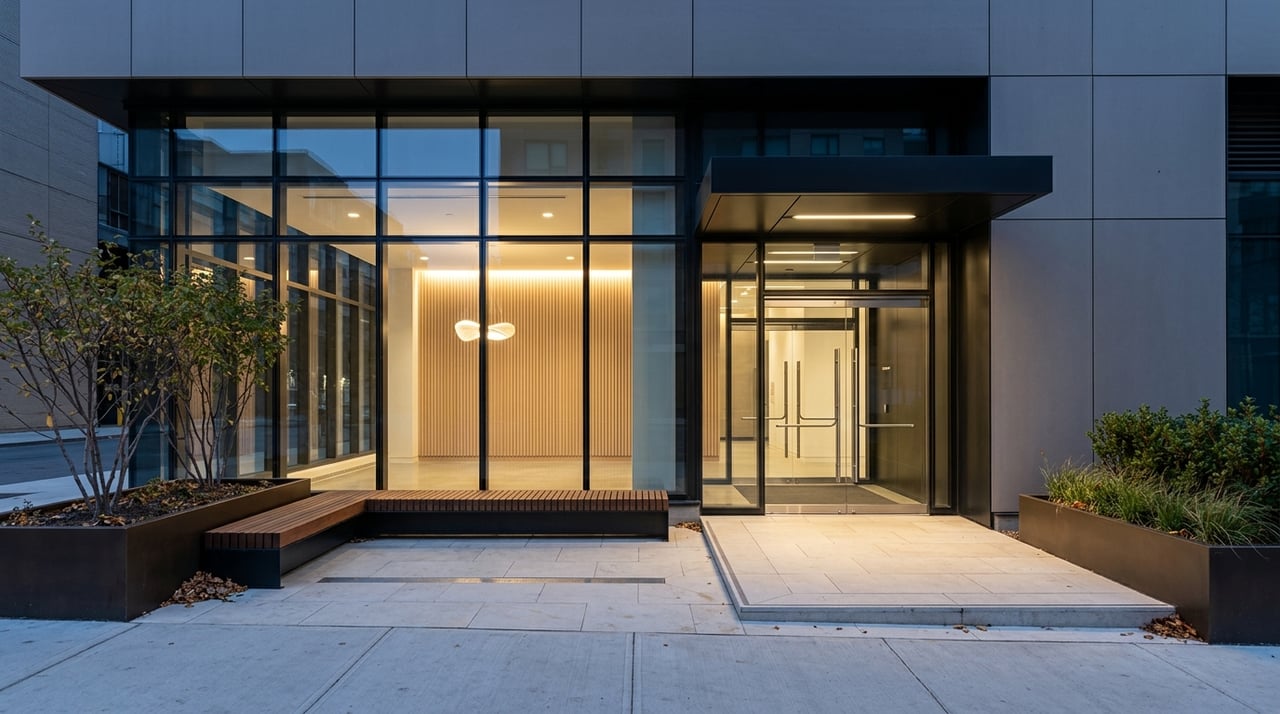
New mid‑ and high‑rise condos along the South Boston Waterfront and Seaport District prioritize turnkey living. You’ll often see concierge or doorman service, fitness centers, pools, resident lounges, and structured or valet parking. Many buildings sit steps from the Harborwalk and Seaport offices and restaurants. The tradeoff is higher monthly carrying costs and a busier setting on nights and weekends.
Classic wood‑frame three‑deckers, brick multi‑families, and attached rowhouses make up much of South Boston west of the waterfront. These homes typically offer more private interior space and outdoor areas like yards, porches, or roof decks. You get a residential street setting and the option to own 2–4 units, which can help offset costs with rental income. Expect fewer amenities and more hands‑on maintenance, plus limited off‑street parking on many blocks.
Market snapshots consistently show the Seaport/South Boston Waterfront at the top end of Boston condo prices, with broader South Boston medians materially lower in recent 2024–2025 windows. Luxury towers also tend to sell to a narrower pool of buyers, which can translate to longer days on market at the high end. More affordable units on South Boston streets often move faster. Before you write an offer, ask your advisor for a current sub‑neighborhood report so you’re working with fresh, date‑stamped medians and velocity.
Public listings in major Seaport towers often show HOA dues in the four‑figure range per month. One‑bedrooms can start around the low thousands, while larger residences and penthouses with valet parking can reach several thousand dollars per month. Always review what the fee covers and whether parking is included.
South Boston is served by the Red Line at Broadway Station and Andrew Station, which provide quick access to downtown and the full Red Line corridor. In the Seaport, the Silver Line Waterfront links South Station, the piers, and Logan Airport through the Transitway. From many Seaport addresses, the Silver Line is the most direct MBTA link to major transit hubs.
Boston issues neighborhood resident parking permits, and the City’s guidance notes there is currently no fee for the resident sticker. Availability on popular blocks is still limited, so plan accordingly. Review the rules and zone details on the City’s resident parking permit page.
If you prefer a guaranteed space near the Seaport, budget for a monthly garage. Public garage rates in the area commonly range around the mid‑hundreds per month. For reference, the Marine Park Garage lists monthly plans around the low‑$400s on ParkChirp’s facility page. Verify whether a condo includes a deeded space, an assigned stall, or valet access, and whether any additional monthly fees apply.
When you compare homes, build a full monthly picture, not just principal and interest.
Owner‑occupants in Boston may qualify for the residential exemption, which reduces the taxable value used to calculate your bill. The City’s FY2026 materials show a savings example of $4,353.74 for qualifying homeowners. Review current figures and filing guidance in the City’s FY26 residential exemption document and use the Assessing tools to estimate a specific parcel.
Freddie Mac’s weekly Primary Mortgage Market Survey averaged about 5.98% for a 30‑year fixed in late February 2026. At that rate, a $1.4 million purchase with 20% down (loan of $1.12 million) produces a ballpark principal and interest payment near $6,700 per month. That excludes HOA dues, taxes, and insurance. Check the latest rate on Freddie Mac’s PMMS and run a fresh quote with your lender before you finalize a budget.
City climate analyses identify parts of the South Boston waterfront as exposed to coastal flood pathways as sea levels rise. Ask whether a building has flood‑hardening measures, how critical equipment is sited, and the unit’s location relative to lower‑level mechanicals. Review whether flood insurance is required or advisable and price it with your insurer. For context on exposure and planning, see the City’s climate overview in Climate Ready Boston.
Condominiums often require project‑level documentation and approvals, which can affect FHA or VA loan availability. Some projects are approved while others are not, so you will want to confirm early with your lender. For a quick primer on how condo approvals work, review this overview of FHA‑approved condos. If you buy a 2–4 unit three‑decker and live in one unit, many lenders treat it as owner‑occupied multi‑family, which can expand your loan options.
Seaport luxury towers command higher absolute prices but can have narrower buyer pools, which sometimes lengthens market time. Traditional South Boston condos and three‑families often attract a wider set of buyers and investors, which can help liquidity in different market conditions. If you are considering rental or short‑term rental use, remember that Boston enforces registration and specific rules, and many condo associations set their own restrictions. Confirm City rules on Boston.gov and check condo documents before assuming any short‑term rental potential.
Choose a Seaport waterfront condo if you want:
Choose a traditional South Boston street home if you want:
Before you write an offer, verify:
Ready to compare specific buildings and blocks side by side? Schedule a consultation with Easter Entwistle Advisors to build a plan tailored to your lifestyle, budget, and timeline.
We don't just close deals; we build portfolios and long-term wealth. Whether you are an international buyer or a local seller, we provide a concierge experience that manages every detail. Reach out to us to experience the power of having a dedicated advisory team in your corner.
EASTER ENTWISTLE ADVISORS | CORCORAN PROPERTY ADVISORS
14 NEWBURY ST BOSTON, MA 02116