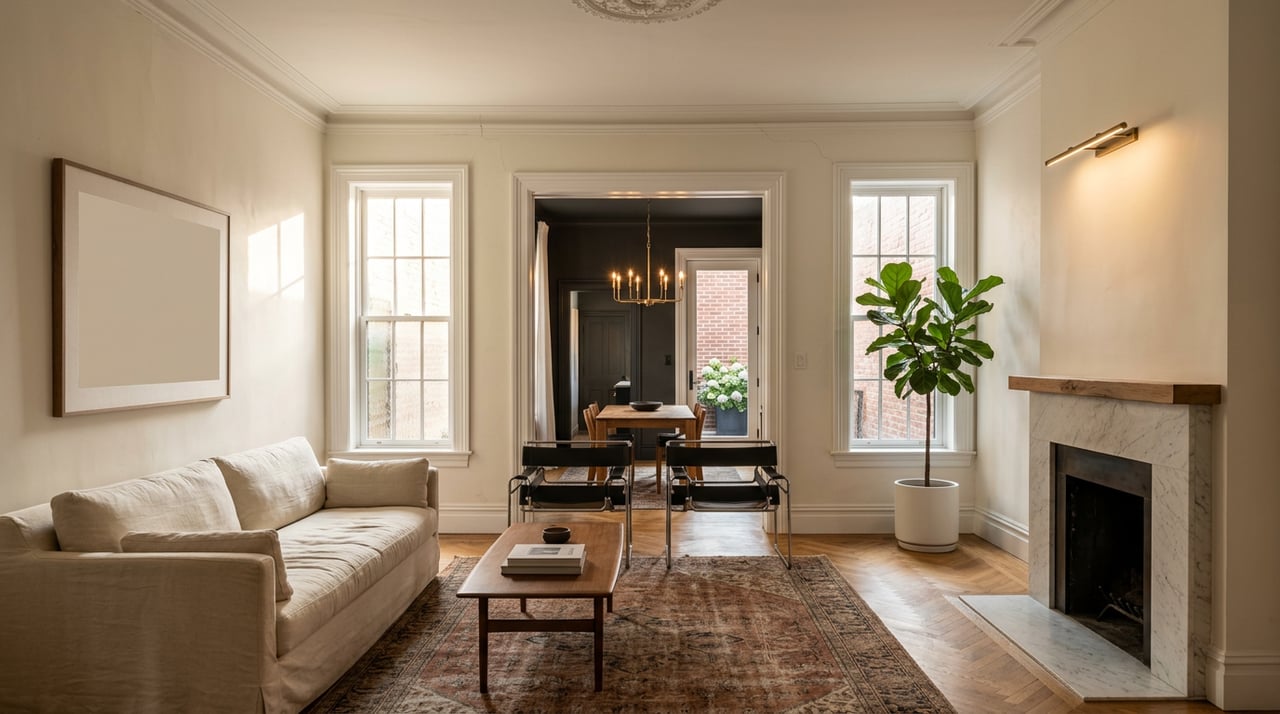
Positioning A Back Bay Brownstone For Today’s Buyer
March 24, 2026
March 24, 2026
Is your Back Bay brownstone ready for today’s buyer, or is it telling last decade’s story? If you’re planning to sell in the next 6 to 18 months, you want a plan that balances historic character with modern comfort, clear documentation, and a pricing strategy grounded in real comps. In this guide, you’ll learn what Boston’s luxury buyers expect, how to navigate Back Bay’s historic rules, and which pre-market steps deliver the best return. Let’s dive in.
Back Bay is one of Boston’s premier luxury neighborhoods, but neighborhood medians can be misleading for brownstones. Listing prices trend higher than final sale prices, and averages swing with a few ultra-luxury listings. What matters for a townhouse is your most recent, like-for-like sold comps on the same or nearby blocks.
For a single brownstone, price to your true competitive set. Adjust for condition, deeded parking, outdoor space, and whether systems and finishes meet modern expectations. Use neighborhood statistics as a check, not the anchor.
Luxury buyers in Back Bay want historic charm that lives like a modern home. Focus on:
Buyer trends also show a preference for move-in ready homes and strong reliance on agents for information and negotiation, which means your listing presentation and broker strategy matter. See recent national patterns in buyer and seller trends and what clients value most from agents in today’s market.
Back Bay is an Architectural District overseen by the Boston Landmarks Commission. Exterior changes visible from a public way often require design review and approval. That includes roof decks, dormers, cornice work, and window changes. Review the district materials for scope and standards on the Back Bay Architectural District page.
If you plan an exterior feature that would materially influence marketability, start early. Design review and permitting can add months and may alter scope or materials. For timing and procedures, consult the Landmarks Commission resources and meeting schedules on the City’s Back Bay Architectural District resource hub.
Most Back Bay brownstones were built before 1978, so federal law requires a lead-based paint disclosure. Provide buyers with the EPA pamphlet and disclose known hazards under the Lead Disclosure Rule. You can reference the official EPA lead disclosure fact sheet.
Also surface any known environmental items early, such as underground or abandoned oil tanks or historic asbestos-containing materials. Clear documentation reduces surprises during due diligence and protects your timeline.
Parking is a major value driver. Spell out exactly what conveys: deeded garage space, assigned space, valet rights, or no off-street parking. If a buyer will rely on resident street parking, share how the resident parking permit works. Include copies of deeds or licenses for any parking rights and note any fees or association rules.
Use this prioritized plan to reduce risk, improve presentation, and control your launch.
Because brownstone sales are low frequency, rely on recent, block-level solds for single-family townhouses and adjust for condition, parking, and outdoor space. In a balanced to slightly buyer-leaning luxury segment, price to the competitive set to create early urgency while preserving room for inspection-related negotiation. Neighborhood sale-to-list ratios have hovered in the mid-to-high 90 percent range in recent feeds, which is a useful reference but not the pricing anchor for a unique asset.
Require proof of funds or pre-qualification early in the process to protect privacy and manage tours. Prioritize MLS exposure, targeted broker outreach, relocation networks, and curated broker opens. National research shows buyers still rely heavily on agents for guidance and negotiation, reinforcing the value of a well-managed launch and networked distribution. See what clients value in agents in NAR’s latest guidance.
Create a clean, credible package that answers buyer and lender questions upfront:
Your brownstone is unique. The right strategy ties its historic strengths to modern buyer priorities, with documentation and design decisions that remove friction. If you want a pricing opinion grounded in current block-level comps and a step-by-step preparation plan, we’re here to help.
Schedule a consultation with Easter Entwistle Advisors to craft your timeline, scope, and launch plan.
We don't just close deals; we build portfolios and long-term wealth. Whether you are an international buyer or a local seller, we provide a concierge experience that manages every detail. Reach out to us to experience the power of having a dedicated advisory team in your corner.
EASTER ENTWISTLE ADVISORS
316 NEWBURY ST STE 20 BOSTON, MA 02115