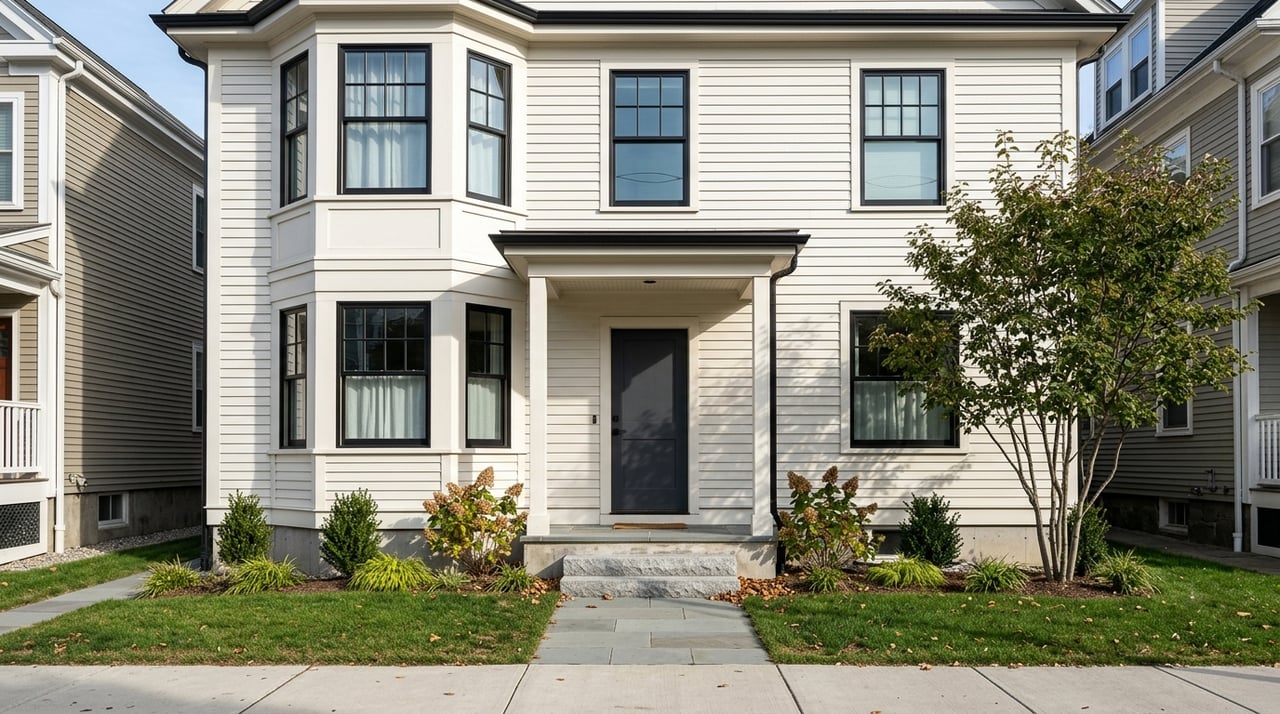
Somerville Green Line Extension Living by Station
July 2, 2026
July 2, 2026
If you are thinking about living in Somerville, the Green Line Extension has likely changed your search in a big way. Transit access now reaches more of the city, but each station area still feels different on the ground. If you want to understand which part of the GLX corridor fits your lifestyle, housing goals, and daily routine, this guide will help you compare the options with more clarity. Let’s dive in.
The Green Line Extension added five new Somerville stations: Union Square, East Somerville, Gilman Square, Magoun Square, and Ball Square. It also included a relocated Lechmere Station in Cambridge and College Avenue in Medford, with service opening in phases during 2022 and the Community Path Extension opening in 2023.
For many buyers and renters, the biggest shift is simple. The City of Somerville describes GLX as creating a one-seat ride to downtown Boston and says the project was intended to place 85% of Somerville residents within a half-mile of a subway station. That kind of access can change how you think about commuting, car use, and everyday convenience.
Somerville already had strong walkability before GLX arrived. The city has about 250 miles of sidewalks and more than 20 city squares, so the extension did not create urban life from scratch. Instead, it strengthened a place that already works as a network of compact, walkable centers.
Living along the Green Line Extension is not one single experience. Two homes may both be near a station but offer very different surroundings, street activity, and housing patterns.
That is especially true in Somerville, where each square has its own mix of homes, shops, and public space. Your best fit may depend less on whether you want transit access and more on what kind of neighborhood rhythm you want around it.
Union Square is the most urban and most visibly changing stop in Somerville’s GLX corridor. City planning materials describe it as the city’s oldest commercial district and the social, cultural, and spatial heart of the neighborhood.
If you want an area with the clearest mixed-use story, this is the station to watch closely. The redevelopment plan aims to add jobs, public green space, and homes with a range of affordability, while the plaza and streetscape redesign is intended to add more than 1.3 acres of new open space and prioritize people over through-traffic.
From a housing-search perspective, Union Square may appeal to you if you are drawn to a more active street environment and visible new development. It is the strongest match for buyers who want a dense, connected setting with continued public-realm improvements still unfolding.
East Somerville offers a different balance. The city describes it as a neighborhood with a mix of attractive homes, the historic Broadway business district, a young and diverse population, and strong access to downtown Boston.
This area may feel like a good middle option if you want a residential setting that is still evolving. The Glen/Otis neighborway project is meant to better connect homes, schools, and businesses to the East Somerville station and Broadway, and the city has also directed small-business support to the area.
You can also see the next phase of change nearby. The 90 Washington Street site, at the intersection of Union Square, Brickbottom, and East Somerville, is a transit-served mixed-use redevelopment area just steps from the station. For you, that means East Somerville combines established housing with clear signs of future investment.
Gilman Square stands out for its public-realm focus. Its station-area plan won a New Urbanism award for creating a human-scaled, pedestrian-first response to what had been a more car-oriented intersection.
In practical terms, Gilman often feels less defined by a major retail strip and more by how the area is being shaped around walking, gathering, and local circulation. The city’s seasonal Gilman Park at 350 Medford Street adds to that identity by creating outdoor community space near the station.
If your priority is a neighborhood that feels intentionally designed around people rather than traffic, Gilman Square deserves a close look. It can be especially appealing if you value access, sidewalks, and public space over a bigger commercial core.
Magoun Square, in the Winter Hill area, offers another kind of GLX experience. The city describes Broadway as the heart of the neighborhood, with restaurants, food marts, churches, and civic uses shaping daily life.
GLX added a station entrance off Lowell Street, and the city continues to study and improve Broadway through safety and mobility work. That means Magoun feels tied to a busy corridor, but it still reads more like a residential neighborhood than a fully built-out urban center.
For many buyers, that balance is the appeal. If you want station access and neighborhood convenience without the intensity of Union Square, Magoun Square may feel like a strong fit.
Ball Square has a smaller-scale, local-business-centered feel. City materials highlight its mix of housing and businesses, along with neighborhood eateries, local shops, and self-guided historic tours.
The Ball Square Festival, centered on Broadway, reflects the area’s village-scale identity. Even with GLX service now in place, the square still feels grounded in everyday walkability rather than a downtown-style commercial setting.
If you like the idea of living near independent businesses and a well-defined neighborhood center, Ball Square is worth serious consideration. It offers transit access while keeping a distinctly local character.
Somerville is not a detached-house market in the suburban sense, and it helps to set expectations early. Census QuickFacts reports an owner-occupied housing rate of 34.2% and a median owner-occupied housing value of $911,300 for 2020 through 2024.
Those numbers support what many buyers notice in person. Somerville tends to lean toward renter-occupied housing, condos, and a range of attached or multifamily housing types rather than large-lot suburban homes.
Along the GLX corridor, the housing experience varies by station area. Union Square has the strongest pipeline of new mixed-use and mixed-affordability development, East Somerville blends older homes with visible redevelopment pressure, and Magoun Square and Ball Square tend to feel more like older residential neighborhoods organized around local business corridors.
Gilman Square sits somewhat in between. Based on city planning and redevelopment materials, its identity is shaped more by pedestrian circulation, community space, and gradual neighborhood-making than by major retail density.
If you are comparing neighborhoods, it helps to focus on how you want your day-to-day life to feel. Transit access is a shared benefit, but the street experience around each station is not the same.
Here is a simple way to frame your search:
One of the most important things to understand is that the GLX corridor is still changing. Union Square’s streetscape redesign is active, Broadway in Magoun Square remains under study and redesign, and the Community Path Extension has already made walking and biking between station areas and Cambridge easier.
For you, that means buying or renting near GLX is not just about what exists today. It is also about how public space, mobility, and neighborhood connections may continue to improve over time.
That kind of change can create opportunity, but it also makes local guidance more valuable. If you are weighing Somerville station areas, comparing property types, or trying to match transit access with the right neighborhood feel, working with a strategic advisor can help you narrow the field with more confidence. To start the conversation, connect with Easter Entwistle Advisors.
We don't just close deals; we build portfolios and long-term wealth. Whether you are an international buyer or a local seller, we provide a concierge experience that manages every detail. Reach out to us to experience the power of having a dedicated advisory team in your corner.
EASTER ENTWISTLE ADVISORS
316 NEWBURY ST STE 20 BOSTON, MA 02115