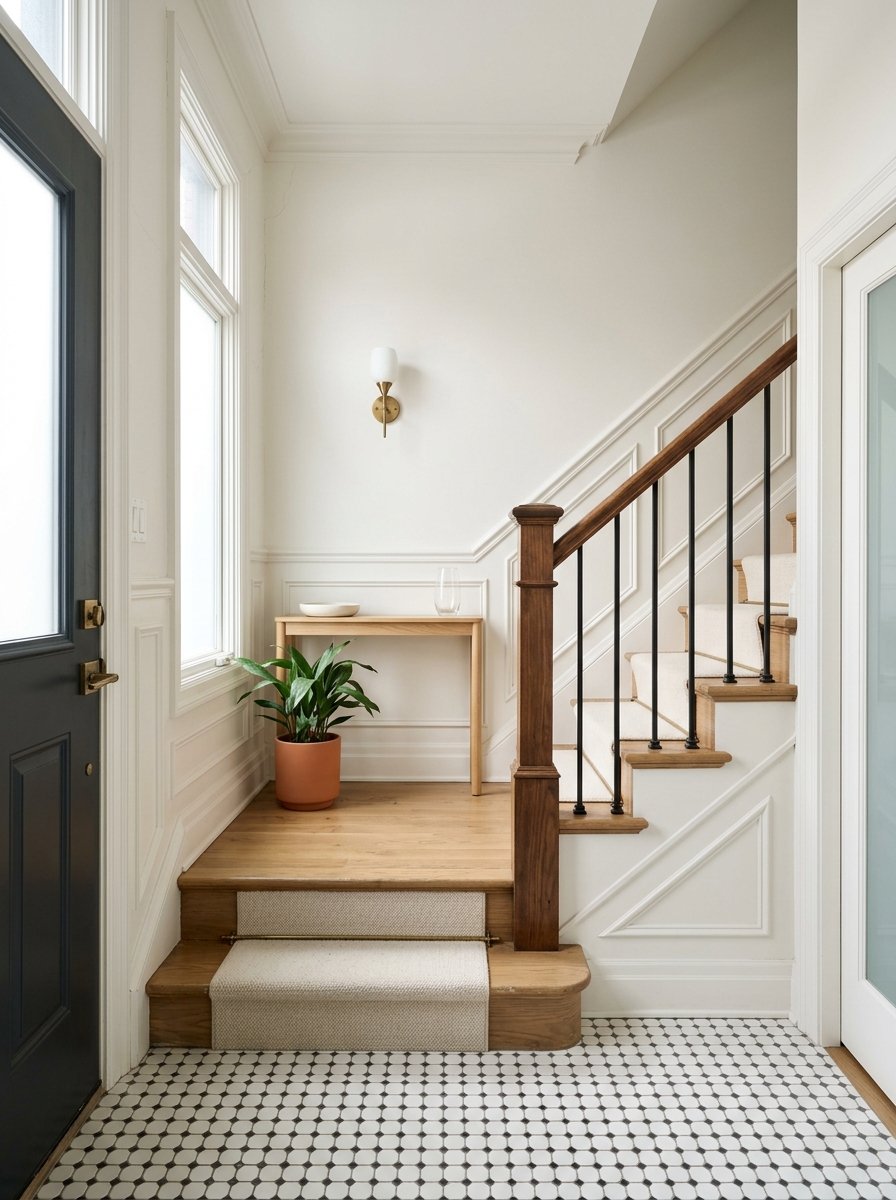
Listing A South End Brownstone: A Seller’s Planning Guide
June 25, 2026
June 25, 2026
If you own a South End brownstone, your sale plan should start long before the listing goes live. In a neighborhood where buyers notice historic detail, light, and condition almost immediately, last-minute prep can cost you time and leverage. The good news is that with the right sequence, you can avoid preventable delays and bring your home to market with more confidence. Let’s dive in.
The South End is one of Boston’s most architecturally distinctive neighborhoods, known for its Victorian brownstones and cohesive rows of 19th-century red-brick rowhouses. That character is part of what draws buyers in, but it also means seller prep is not as simple as treating the home like any other Boston listing.
For many properties, the street-facing exterior matters in an outsized way. Boston’s landmark standards place special importance on façades facing streets and avenues, along with roof areas visible from public streets. If you are considering exterior work before listing, that detail can shape your timeline from day one.
The market also leaves little room for sloppy sequencing. In the three months ending May 2026, South End homes sold at a median price of $1,287,067, with a median sale price per square foot of $1.23K, an average of 23 days on market, and a sale-to-list ratio of 98.7%. In a competitive environment like that, preparation and pricing discipline still matter.
One of the smartest ways to plan your sale is to work backward from your ideal launch date. If you wait until you are ready to list before thinking about repairs, approvals, staging, photos, and documents, you may end up rushing the exact details buyers care about most.
A practical South End planning window is often six to eighteen months, depending on the condition of the property and whether exterior work or condo coordination is involved. Not every sale needs that much runway, but many benefit from it, especially when historic review or building-level decisions may affect timing.
For many South End sellers, the safest sequence looks like this:
This order helps you avoid a common mistake: listing first and solving problems later. In a neighborhood where homes can move quickly, buyers tend to respond best when the property is fully prepared from the start.
If you are thinking about exterior improvements, do not assume you can handle them on a short timeline. The South End Landmark District Commission requires a complete design-review application to be submitted 15 business days before a public hearing, and work cannot begin until approval is received. The commission meets on the first Tuesday of each month.
That means even a modest exterior project can affect your launch schedule. If your listing strategy depends on front-entry work, masonry repair, window-related changes, or another visible exterior item, it is wise to investigate early.
In the South End, buyers often form their first impression from the public side of the building. The details that tend to carry the most visual weight include:
The landmark standards emphasize retaining and repairing original features where possible. They also state that changing original window openings is not approved, and brownstone repairs should approximate the original appearance and texture.
If you are unsure how far to go with an exterior refresh, a careful maintenance mindset is usually more appropriate than a cosmetic overhaul. The standards limit façade interventions, note that masonry painting is considered only in narrow circumstances, and do not approve sandblasting.
For sellers, that usually points toward cleaning, repair, and historically compatible maintenance rather than dramatic visual changes. In a South End brownstone, authenticity often supports value more than trend-driven updates.
Inside the home, buyers tend to respond best to spaces that feel bright, open, and easy to understand. That matters in South End rowhouses and brownstone-style condos, where room proportions, natural light, and storage perception can strongly influence how the property shows.
The core staging goal is simple: help buyers imagine themselves living there. NAR defines staging as cleaning, decluttering, repairing, depersonalizing, and updating a home so buyers can picture the space as their own. In NAR’s 2023 staging report, 81% of buyers’ agents said staging made it easier for buyers to visualize a home, and 20% said it increased offers by 1% to 5% compared with similar unstaged homes.
For many South End sellers, the most effective interior prep includes:
The living room, primary bedroom, and kitchen often deserve the most attention. These are the spaces where buyers most quickly evaluate comfort, function, and overall value.
You do not always need a major renovation before listing. In many South End homes, buyers are responding less to flashy cosmetic work and more to the feeling of space, light, upkeep, and fit with the building’s character.
That is especially true in historic housing stock. A well-edited, well-maintained interior usually performs better than a rushed pre-sale makeover that feels disconnected from the architecture.
If your brownstone is a condominium, document prep should begin well before photos or showings. Buyers often review condo materials closely, especially in buildings where monthly fees, reserves, special assessments, or exterior projects could affect ownership costs.
Massachusetts condo seller due diligence commonly includes the master deed, bylaws, budget, special assessments, reserve study, minutes, rental and pet restrictions, certificate of insurance, and condominium questionnaires. If these items are disorganized or delayed, your transaction can slow down at exactly the wrong moment.
Massachusetts law requires the organization of unit owners to furnish the 6(d) statement within 10 business days after a written request, upon payment of a reasonable fee. That may sound manageable, but in practice it is one more reason not to leave paperwork until the last minute.
If your buyer is moving quickly, you do not want your sale timeline held up by an avoidable document request. Starting early gives you room to resolve any surprises before the property hits the market.
In the South End Landmark District, exterior changes to condominiums or other multi-owner buildings are supposed to be treated uniformly, even when work is phased. That can make board communication, contractor timing, and building-wide coordination especially important.
If your sale plan depends on exterior work, shared repairs, or clarity around association responsibilities, it makes sense to raise those issues early. Waiting can create friction with timing, approvals, or buyer confidence.
Some seller questions are strategic. Others are legal. Massachusetts specifically notes that questions about condominium law, condominium trusts and associations, and owners’ rights and responsibilities are legal in nature and should be directed to an attorney with real estate experience, including condominium law.
That is especially relevant if your sale involves a condo document issue, a special assessment, a building-wide exterior project, or uncertainty around what must be disclosed. Early legal guidance can help you avoid unnecessary complications later in the process.
If your property was built before 1978, Massachusetts and federal property-transfer lead-paint notification requirements apply. In a historic neighborhood like the South End, that is an important checkpoint to flag early.
Even if the paperwork is straightforward, it is still part of a well-run listing process. Handling it in advance helps keep your transaction organized and reduces the risk of last-minute scrambling.
If you want a simple planning framework, start here:
A South End sale often rewards sellers who think like planners, not just owners. The more disciplined your sequence, the easier it is to present the property well and respond confidently once buyer interest starts coming in.
Selling a South End brownstone is rarely just about listing a home. It is about managing architecture, timing, documents, presentation, and market positioning in the right order. If you want a calm, strategic plan tailored to your building and timeline, Easter Entwistle Advisors can help you prepare with discretion and precision.
We don't just close deals; we build portfolios and long-term wealth. Whether you are an international buyer or a local seller, we provide a concierge experience that manages every detail. Reach out to us to experience the power of having a dedicated advisory team in your corner.
EASTER ENTWISTLE ADVISORS | CORCORAN PROPERTY ADVISORS
14 NEWBURY ST BOSTON, MA 02116