Buying A Brookline Pre-War Condo: What To Look For
June 11, 2026
June 11, 2026
If you are drawn to Brookline’s pre-war condos, you are probably looking for more than square footage. You want character, location, and the kind of details that newer buildings often cannot replicate. The challenge is that charm can also hide future costs, document issues, or financing hurdles, so knowing what to look for matters. Let’s dive in.
Brookline is a fully developed town, and much of its land is residential. In North Brookline, development grew more densely along the Beacon Street corridor, which helps explain why you see a mix of smaller multifamily homes, larger apartment-style buildings, and some buildings later converted to condominiums.
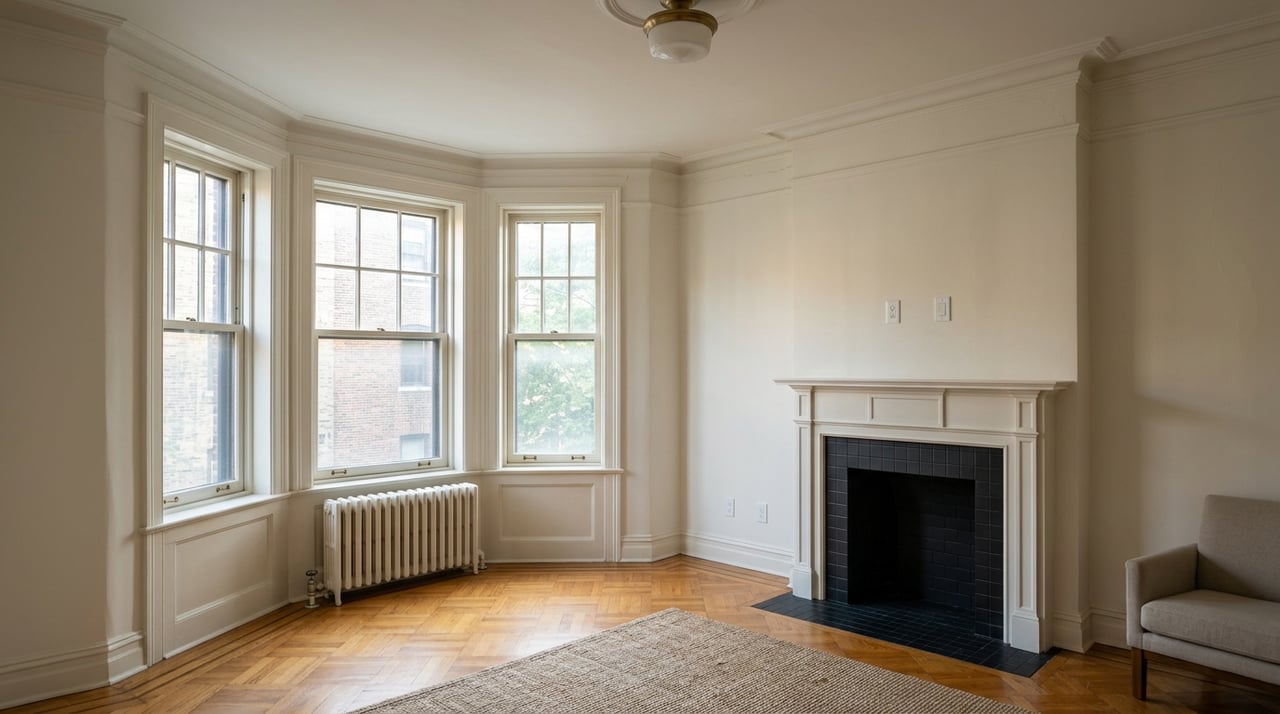
That variety is a big part of the appeal. Pre-war condos in Brookline often come with distinct floor plans, original materials, and architectural details that can vary widely from one building to the next. Compared with newer construction, you are less likely to find a one-size-fits-all layout.
Brookline’s condo market is also competitive. Redfin reports 112 condos for sale, a median listing price of $977,000, and a median 23 days on market, which means buyers often need to move quickly while still protecting themselves with careful due diligence.
Before you focus on crown molding or oversized windows, look at the full monthly cost of ownership. In Brookline, that means more than the mortgage payment.
Brookline’s FY2026 residential property tax rate is $10.24 per $1,000 of assessed value. Add in the condo fee, insurance considerations, and likely maintenance in an older building, and the true cost can look quite different from the asking price alone.
Ask for a clear breakdown of what the condo fee covers. In a pre-war building, shared expenses may include heat, hot water, common-area upkeep, or reserves for larger building work, and those details can affect both your budget and your risk.
Brookline’s historic housing stock is part of what makes the town so appealing. Local district materials describe a wide range of building styles and materials, including brick, stone, shingles, and stucco, with styles such as Queen Anne, Colonial Revival, Georgian Revival, and Arts & Crafts.
That architectural depth can come with added review requirements. In Brookline’s local historic districts, most exterior changes and some landscape alterations require review to preserve historic character. If you are buying a unit in one of these areas, future window replacements, exterior work, or certain building-wide projects may involve an added layer of approval.
This does not make a purchase less attractive, but it does make documentation more important. You want to understand not just the unit itself, but what the building can and cannot easily change over time.
In Massachusetts, condominium ownership is governed by the master deed, unit deed, bylaws, and Chapter 183A. The Commonwealth also notes that it does not regulate condominiums directly and recommends that legal questions about rights and responsibilities go to a real estate attorney.
For you, that means the condo documents are not just paperwork. They are the rulebook for how the building operates, how costs are shared, and what rights come with the unit.
At a minimum, review these items before you commit:
Your attorney should also confirm practical items that are easy to miss in a listing, such as parking rights, storage rights, common-element boundaries, and percentage interest.
One of the biggest differences between a strong pre-war condo purchase and a stressful one often comes down to association finances. Massachusetts law requires every condominium to maintain an adequate replacement reserve fund that is separate from operating funds.
That reserve fund matters because older buildings tend to face larger capital items over time. Roofs, masonry, heating systems, windows, and plumbing infrastructure can all create meaningful expenses, and if reserves are too low, owners may face special assessments.
Ask direct questions about:
A well-run building does not need to be perfect. It does need to show a disciplined pattern of planning, record keeping, and timely repair.
With a pre-war condo, your financing is not based only on your own qualifications. The association itself can affect whether a lender is comfortable with the transaction.
HUD notes that FHA condominium project approval looks at factors such as insurance coverage, financial condition, title, pending legal action, and property condition. Fannie Mae also emphasizes master property insurance and overall project condition.
In practical terms, a beautiful Brookline condo may still be harder to finance if the building is underinsured, underfunded, involved in litigation, or dealing with unresolved repairs. If you plan to finance your purchase, it is smart to evaluate the association early rather than waiting for a lender to flag issues later.
Massachusetts now requires disclosure of a buyer’s right to a home inspection, and sellers and agents cannot pressure a buyer to waive that right. In a fast-moving market, that protection matters.
For a pre-war condo, the inspection should go beyond whether the kitchen looks updated. The state’s inspection scope includes heating, cooling, plumbing, electrical, structural components, foundation, roof, masonry structure, and exterior and interior components.
In other words, you are trying to understand deferred maintenance and near-term capital risk. A renovated interior can still sit inside a building with aging systems or water intrusion concerns.
Here are key inspection topics to raise:
Because Brookline has so much older housing, lead is a major issue to address. Massachusetts says homes built before 1978 may contain lead, and sellers and agents must notify buyers of lead risks during a transfer.
If children under age 6 live in the home, lead hazards must be removed or controlled under Massachusetts Lead Law. If the unit has been deleaded or brought into compliance, ask for the documentation, including any letter of compliance.
You should also ask whether prior renovation work involved painted surfaces, since that can trigger lead-safe renovation requirements in pre-1978 homes. In addition, Massachusetts notes that asbestos-related demolition or renovation work has specific safety requirements, and state health guidance advises homeowners to watch for water damage and visible mold.
For an older condo, it is reasonable to ask about prior work involving boilers, pipes, flooring, ceilings, or windows, and whether any abatement documentation exists.
Even a well-located condo can feel limiting if the building rules do not fit your plans. Older Brookline buildings vary widely in how they handle use and operations.
Before you buy, ask these practical questions:
These details shape your day-to-day ownership experience. They also affect resale flexibility later.
The best Brookline pre-war condo purchases usually share the same traits. The architectural character is still intact, the association is financially organized, and the building’s older systems have been updated on a documented schedule.
In Brookline, that balance matters. Historic district rules, older construction, condo governance, and Massachusetts lead and inspection requirements all make documentation just as important as aesthetics.
If you are considering a Brookline pre-war condo, a strategic review upfront can save you money, stress, and missed details later. To discuss your search with a senior advisor, connect with Easter Entwistle Advisors.
We don't just close deals; we build portfolios and long-term wealth. Whether you are an international buyer or a local seller, we provide a concierge experience that manages every detail. Reach out to us to experience the power of having a dedicated advisory team in your corner.
EASTER ENTWISTLE ADVISORS | CORCORAN PROPERTY ADVISORS
14 NEWBURY ST BOSTON, MA 02116